
Prevent Heart Attack and Stroke Before It Happens
Empowering Patients & Providers with Proven Arterial Health Solutions.

Yes, Our Proven Method Can Cure Arterial Disease!
The BaleDoneen Method is a scientifically proven, personalized approach to preventing heart attacks, strokes, and chronic diseases. Unlike traditional methods that often wait for symptoms to appear, our proactive approach identifies and treats root causes before they lead to life-altering events. With a focus on precision medicine, we empower patients to achieve optimal health through tailored care plans that target inflammation, genetics, and lifestyle factors.
Reduction in Cardiovascular Events
Patients following the BaleDoneen Method have experienced up to a 98% reduction in heart attacks and strokes compared to standard care.
Impact on Arterial Health
The method can lead to measurable improvements in arterial health, with 100% of patients showing a decrease in inflammation and arterial plaque formation.
Stop Disease Before It Starts
Most chronic conditions don’t start with symptoms. They begin with silent changes in the body like inflammation, plaque buildup, or insulin resistance that are often missed in routine checkups. The BaleDoneen Method identifies these risks early and addresses them before they become life-threatening. Our goal is simple: help you stay healthy and avoid the event that changes everything.

Detect arterial disease before it causes damage. Even if your cholesterol is “normal,” you could still be at risk.

Silent inflammation and plaque can trigger strokes. We identify the root cause and stop it early.

Insulin resistance builds over time. We help reverse the trend before it becomes full-blown disease.

What affects your arteries affects your brain. We target the vascular triggers behind cognitive decline.
Did You Know
Did You Know
We Don’t Guess. We Test. Then Personalize.
Most people think they’re doing “okay” if their numbers look fine at a checkup. But heart attacks, strokes, dementia, and even diabetes often start developing long before the first symptom appears.
That’s why we look deeper. The BaleDoneen Method examines five key areas of risk that standard care often overlooks.

Inflammation

Genetics

Disease

Red Flags

Root Causes


What Are Patients and Physicians Saying?

Scott Harbin
The BaleDoneen preceptorship was one of the best courses I’ve been a part of. It was a breath of fresh air to be learning about prevention of disease. I wish this information could get out to everyone. This information will be used to improve my personal health and that of my patients.
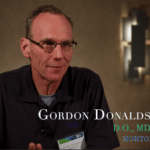
Gordon Donaldson
“Most exciting thing by far and away is that I am able to actually document and show regression of cardiovascular disease.”

Barb McClatchie / Eric Goulder
“Well for me, after practicing standard of care cardiology for 30-35 years, I’ve just been amazed at how much I have learned about arteriology just since being introduced to the BaleDoneen Method.”
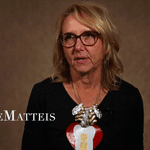
Patti Dematteis
"It has been an amazing thing to be able to educate my patients on the science that I have learned from Dr. Bale and Dr. Doneen.”
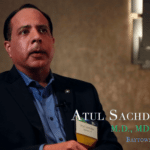
Atul Sachdev
"The diseases that we normally treat and manage in traditional medicine can actually be completely prevented and this is something, as doctors, we weren't taught in medical school."
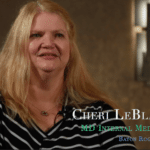
Cheri LeBlanc
"We can really take a person and prevent them from have a catastrophic and often life ending disease."

Alan Reisinger
"This sort of precision-based Method is what allows u to treat one patient at a time and make sure that we are giving that patient the best care - for them."

Diane Gunning
"There is a way that we can prevent heart disease and stroke!"

Camille Zaleski
"The BaleDoneen Method has enabled me to have my health!"

Larry Greenblatt
"The BaleDoneen Method has been so impactful in my practice, it's done a paradigm shift for essentially how I practice."

David Wright
"My patients are engaged in their own health journey; they get excited about knowing why they are headed toward certain diseases and then learning what they can do differently."

Jeff Life
"The BaleDoneen Method really is all about precision and tailoring it to an individual's specific needs."

Tim Harbolt
"The most exciting part about practicing the BaleDoneen Method in my practice is having a venue to actually help patients move away from the surgical model where we just repair damage that we may find and move to prevention, true prevention, not just preventing tooth decay or preventing periodontal disease but preventing overall cardiovascular risk "
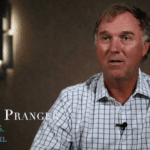
Tim Pranger
"Helping patients become healthier and to give them a chance to prevent a heart attack or a stroke."

Support Your Health with BaleDoneen Supplements
Our line of physician-formulated supplements is built to work hand-in-hand with the BaleDoneen Method. These products target the root causes of arterial disease, helping you reduce inflammation, protect brain health, and strengthen your cardiovascular system.
You can order directly for personal use, or if you’re a provider, offer them in your clinic through our wholesale program.